Choosing a reliable Ph Analyser manufacturer in China requires more than comparing prices and product images. Global buyers need stable measurements, durable probes, responsive technical support, and clear quality documentation. In laboratories, water treatment plants, food factories, and chemical facilities, a small pH error can affect an entire production batch. That is why supplier selection should begin with application requirements, not sales claims.
Experienced Chinese manufacturers often provide benchtop, portable, and online pH analysers for different working conditions. Buyers should examine calibration performance, temperature compensation, electrode compatibility, display readability, and protection against moisture or dust. A unit used beside a wastewater tank faces very different demands from one installed on a clean laboratory bench. Ask for test reports, calibration records, warranty terms, and practical installation guidance. Real evidence matters.
Look closely.
Manufacturing capability is only part of the decision. A dependable supplier should explain measurement limits honestly and recommend suitable electrodes for each sample. Some manufacturers offer OEM branding, multilingual manuals, remote troubleshooting, and replacement parts for long-term operation. However, no supplier is perfect, and product information may not answer every field problem. Independent verification remains valuable. Request samples, inspect response stability, and compare readings with a trusted reference instrument before placing a large order. This China-focused guide introduces leading Ph Analyser manufacturers and evaluates their technical strengths, product consistency, certifications, export experience, and after-sales service. The goal is practical confidence, not exaggerated promises, for buyers building a reliable global sourcing plan.
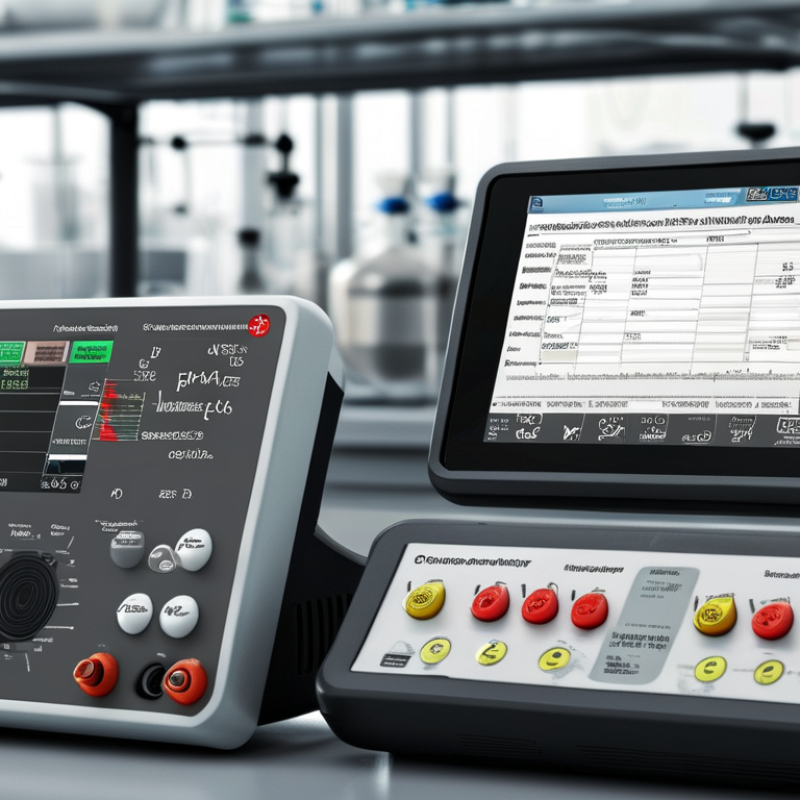
A pH analyzer is an instrument that measures hydrogen-ion activity in liquid. It converts this chemical condition into a readable pH value. Unlike simple test strips, it supports continuous monitoring and process control.
Inside the analyzer, a glass sensing electrode develops a voltage that changes with pH. A reference electrode provides a stable electrical comparison. The transmitter interprets both signals and displays the result. Temperature affects electrode response, so reliable systems include automatic temperature compensation. In process water, small errors matter.
Practical accuracy depends on more than the electronics. Operators should calibrate the probe with fresh buffer solutions at suitable points, then rinse it carefully. A dirty glass bulb can create slow or unstable readings. Probe storage also matters; allowing the sensing tip to dry may damage performance. Field experience shows that maintenance instructions are often too optimistic. A datasheet cannot fully describe every wastewater, chemical mixture, or high-temperature line.
For global buyers comparing Chinese pH analyzer manufacturers, ask about electrode materials, calibration records, response time, ingress protection, and replacement parts. Request test data using samples similar to your application. Confirm communication options, installation guidance, and service support for your region. Still, laboratory claims need practical verification. A small pilot test can reveal coating, drift, or cleaning problems before full installation.
| Data Dimension | Typical Technical Data | How It Works | Buyer Considerations |
|---|---|---|---|
| Primary Function | Measures the hydrogen-ion activity of an aqueous solution and expresses it as pH. | A glass or ion-sensitive electrode generates an electrical potential related to the solution’s acidity or alkalinity. The meter converts this signal into a pH reading. | Choose an analyser according to the liquid composition, measurement frequency, required accuracy, and installation method. |
| Measurement Scale | Common laboratory and process instruments cover approximately pH 0 to 14. | pH 7 is approximately neutral at 25°C; values below 7 are acidic and values above 7 are alkaline. | Strongly acidic, strongly alkaline, concentrated, or non-aqueous samples may require a specially selected electrode. |
| Measurement Principle | Electrochemical potentiometric measurement using a measuring electrode and a reference electrode. | The potential difference between the electrodes changes with hydrogen-ion activity. The analyser applies the Nernst relationship to calculate pH. | Stable reference junctions and suitable electrode materials are important for repeatable results. |
| Typical Accuracy | General portable and laboratory instruments commonly provide about ±0.01 to ±0.02 pH, while some basic meters provide about ±0.1 pH. | Accuracy depends on electrode condition, calibration quality, temperature, sample handling, and electrical stability. | Specify the required accuracy rather than selecting only by displayed resolution. |
| Resolution | Common display resolutions are 0.1, 0.01, or 0.001 pH. | Resolution indicates the smallest displayed increment; it does not by itself represent measurement accuracy. | For routine water and wastewater work, 0.01 pH resolution is commonly suitable. |
| Calibration | One-, two-, or three-point calibration is commonly available using certified buffer solutions. | The instrument compares the measured electrode signal with known buffer values and adjusts slope and offset. | Use fresh, uncontaminated buffers and calibrate at intervals appropriate to the application. |
| Common Buffer Points | pH 4.01, 6.86 or 7.00, and 9.18 or 10.01 are widely used reference values at specified temperatures. | Acidic and alkaline buffers help verify electrode response across the intended measurement range. | Select buffers that bracket the expected sample pH and follow the temperature information on the buffer certificate. |
| Temperature Compensation | Manual or automatic temperature compensation is commonly provided; temperature sensors may be integrated or external. | Temperature affects electrode response and the actual pH of many solutions. The analyser corrects the electrode response when temperature data is available. | Temperature compensation does not remove all temperature-related changes in the sample’s chemistry. |
| Sensor Types | Combination glass electrodes, refillable electrodes, maintenance-free electrodes, and application-specific sensors are common. | A combination electrode houses the measuring and reference elements in one probe to simplify measurement. | Consider chemical compatibility, clogging risk, pressure, temperature, cleaning requirements, and expected service life. |
| Sample Types | Drinking water, process water, wastewater, beverages, laboratory solutions, soil extracts, and industrial liquids can be measured with suitable sensors. | The electrode contacts the sample and responds to its hydrogen-ion activity. | Viscous, dirty, low-conductivity, oily, or suspended-solid samples may require specialised junctions and cleaning procedures. |
| Response Time | Many clean aqueous samples stabilise within several seconds to approximately one minute. | The response depends on electrode condition, sample temperature, mixing, conductivity, and the difference between calibration and sample conditions. | Allow the reading to stabilise before recording data, especially in low-conductivity or complex samples. |
| Installation Formats | Portable meters, benchtop meters, panel-mounted analysers, and inline or submersible systems are widely used. | Portable and benchtop units are used for grab samples, while process analysers continuously monitor a sample stream or tank. | For continuous monitoring, evaluate sensor mounting, flow conditions, cleaning access, and environmental protection. |
| Signal and Connectivity | Depending on configuration, outputs may include display-only operation, USB, serial communication, analogue current output, relay contacts, or digital industrial communication. | The analyser converts the electrode signal into a digital reading and may transmit measurement and alarm data to a control system. | Confirm output type, electrical isolation, communication protocol, cable length, and control-system compatibility. |
| Process Control Features | Process instruments may provide high and low alarms, configurable limits, data logging, password protection, and automatic cleaning control. | The analyser compares the measured value with configured limits and activates alarms or connected equipment when required. | Define alarm logic, fail-safe behaviour, data retention, and integration requirements before purchase. |
| Operating Temperature | Many general-purpose electrodes operate near 0°C to 100°C, but the permissible range varies significantly by sensor construction. | Temperature changes affect the glass membrane, reference system, seals, and sample chemistry. | Always verify the complete sensor-and-process assembly rating rather than relying only on the meter rating. |
| Maintenance Requirements | Routine tasks include calibration, rinsing, inspection, appropriate storage, cleaning, and replacement of damaged or aged electrodes. | Contamination, dehydration, clogged junctions, and ageing can cause slow response, unstable readings, or calibration errors. | Include buffer solutions, cleaning agents, storage solution, spare electrodes, and operator training in the maintenance plan. |
| Storage Practice | Most conventional glass pH electrodes should be kept hydrated in a suitable electrode storage solution rather than stored dry. | Hydration preserves the glass membrane and helps maintain the reference junction’s performance. | Follow the electrode manufacturer’s storage instructions; do not routinely store the sensing tip in pure distilled or deionised water. |
| Quality Verification | Verification can include buffer checks, repeatability tests, slope checks, offset checks, and comparison with a traceable reference method. | Verification identifies sensor drift and instrument problems before measurement data is used for process or quality decisions. | Document calibration dates, buffer batch details, temperature, slope, offset, and corrective actions. |
| Selection Priority | Key selection factors include pH range, accuracy, sample matrix, temperature, pressure, sensor material, installation, outputs, and service support. | The meter and electrode operate as one measurement system; an advanced meter cannot compensate for an unsuitable or poorly maintained sensor. | Request application data, technical drawings, calibration information, replacement-part availability, and test documentation before final approval. |

Copyright © 2011-2025 Davis Valve.
All Rights Reserved.


Same Day Shipping
ISO Certified Production