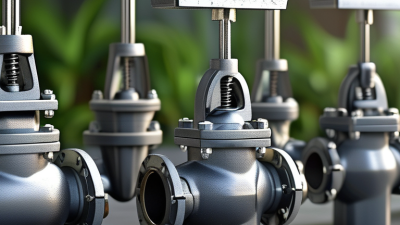
China has become a major sourcing base for industrial valves, including the ball check valve used in water treatment, oil and gas, chemical processing, and general manufacturing. Grand View Research reported that the global industrial valves market was valued at approximately USD 78.8 billion in 2023, with continued growth expected through 2030. This wider market does not measure ball check valves separately, but it shows the scale of demand behind Chinese production.
The best manufacturers are not identified by catalog size alone. They should demonstrate practical experience with stainless steel, cast iron, forged steel, and corrosion-resistant alloys. Buyers should examine pressure ratings, temperature limits, leakage results, flow direction marks, and seat performance. ISO 9001 certification is useful, but it should support real inspection records rather than replace them. The American Society of Mechanical Engineers and API standards can also help buyers assess design and testing practices.
Look beyond the brochure.
A reliable supplier should provide material certificates, hydrostatic test reports, dimensional drawings, and traceability from casting to final assembly. Reports from MarketsandMarkets and Mordor Intelligence also associate valve demand with infrastructure investment, energy projects, and industrial automation. Those trends support China’s strong manufacturing position, yet they do not guarantee equal quality among factories. That point is easy to overlook. A small supplier may offer careful workmanship, while a larger exporter may depend heavily on subcontracting. This guide examines leading China ball check valve manufacturers through engineering capability, product consistency, quality control, export experience, and after-sales support. No ranking is perfect, and supplier verification remains essential.
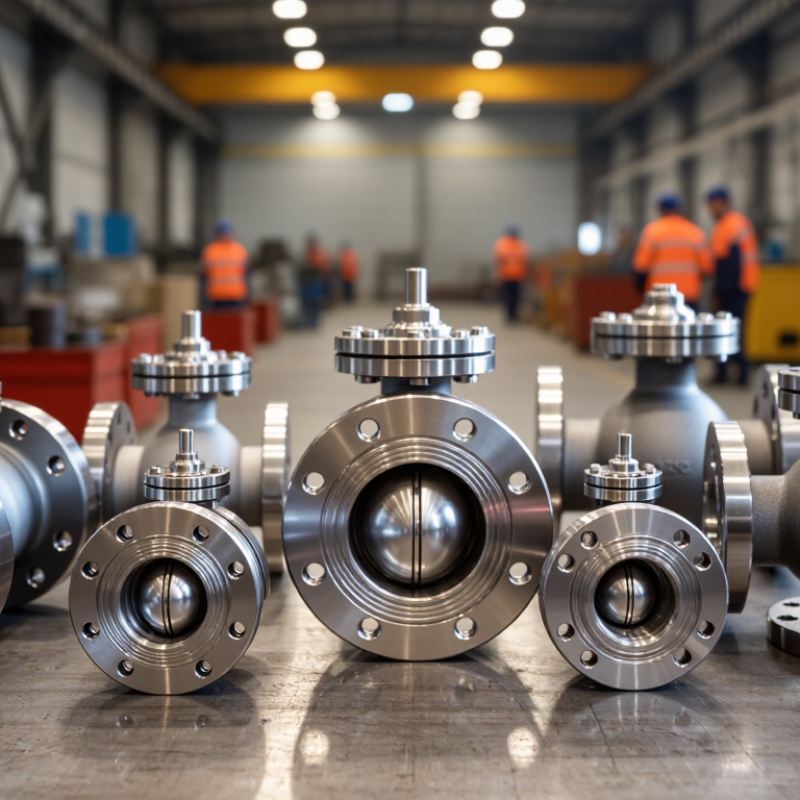
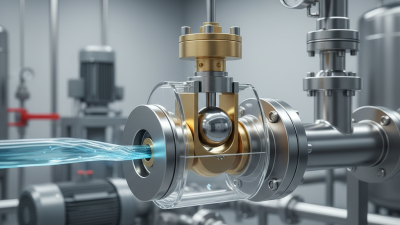
A ball check valve prevents reverse flow with a free-moving ball and a shaped seat. During forward flow, fluid pressure lifts the ball from the seat. When flow slows or reverses, gravity and backpressure return it to the seat, limiting backflow. Simple, but not foolproof. The valve needs enough forward pressure to move the ball, and installation angle can affect how reliably it closes.
Ball material and seat design matter. A resilient ball may seal well against small particles, while a heavier ball can behave differently in viscous fluid. Poor sizing may cause pressure loss, noise, or repeated ball impact. The U.S. Department of Energy’s Improving Pumping System Performance sourcebook reports that pumping systems use nearly 20% of global electricity demand, and 25–50% of energy in some industrial plants. That figure is not a valve-efficiency rating; it shows why checking system pressure losses is worthwhile.
Tips: Confirm the permitted installation orientation, flow direction, and fluid compatibility in the valve documentation. Listen for chatter after startup. It can signal unstable flow, incorrect sizing, or a worn seat; inspection is still needed to identify the cause.
China’s ball check valve industry benefits from concentrated machining, casting, and component suppliers. This can shorten sourcing time and support varied materials, including stainless steel, ductile iron, and engineered plastics. Grand View Research estimated the global industrial valves market at USD 78.4 billion in 2023, projecting a 5.2% compound annual growth rate through 2030. That figure covers industrial valves broadly, not China-made ball check valves alone, so it signals market context rather than product-specific demand.
A ball check valve has few moving parts, but performance depends on the ball, seat, and flow path. In a workshop, a rough seat finish or a poorly matched ball can mean leakage or sticking. Manufacturers may offer different ball materials, connection types, and pressure ratings for water, wastewater, and process systems. Buyers should check material certificates, dimensional inspection records, and pressure-test documentation. Tests may reference ISO 5208 or API 598, where applicable to the valve and purchase specification. A test sheet helps, but it cannot reveal every long-term operating issue. Cycle life and actual media compatibility still need careful review.
Typical density of common body materials used in ball check valves
Material choice affects valve weight, corrosion resistance, and suitability for different services. Values shown are approximate reference densities; actual values vary by alloy grade and specification. Density alone does not indicate valve quality or performance.
Ball check valves made in China are available in several practical configurations. A free-ball design lets the ball move away from its seat when forward pressure rises, then return to block reverse flow. Some models use a spring to help the ball close, which can suit systems where flow stops frequently. Vertical or angled designs may also be offered, but installation position depends on the valve’s construction. Check the manufacturer’s drawings rather than guessing.
Material and passage shape matter as much as the basic design. Elastomer-coated balls can help reduce noise and resist debris impact in certain wastewater applications, while metal components may suit other fluid and temperature conditions. These choices are not interchangeable. A catalog can make selection seem simple, but actual performance depends on pressure, fluid, solids, and pipe layout. Not always. Ask for pressure ratings, material details, and test documentation for the exact model.
Tips: Confirm flow direction and permitted mounting position before installation. Compare the valve’s bore with the line size, and check whether maintenance access is available. If the application contains abrasive solids, request relevant operating data; a familiar-looking design may still wear faster than expected. Test it first under controlled conditions.
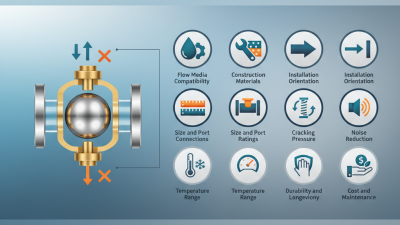
A reliable evaluation of China’s ball check valve manufacturers begins with the valve’s actual service conditions. Define the fluid, operating pressure, temperature range, connection size, and installation direction. Details matter. A supplier should explain how its design limits reverse flow and whether the valve suits your system’s flow rate.
Request material specifications, dimensional drawings, and pressure-test records for the exact model under consideration. Check that the body, ball, and sealing components match the stated application. Ask how production batches are inspected and whether material records can be traced to delivered units. Ask for evidence. A sample inspection can reveal rough machining, inconsistent markings, or a ball that does not move freely. Still, one sample cannot represent every production run.
Assess technical communication as carefully as price. Can the team answer questions about pressure loss, seat wear, installation, and maintenance without relying on vague claims? Confirm lead times, packaging, spare-part availability, and procedures for handling defects. A video call or factory audit may clarify processes, but neither guarantees future consistency. I would not treat a neat brochure as proof; it is easy to overlook small gaps in documentation. Compare several suppliers against the same written criteria, then record what remains uncertain before making a decision.
| Evaluation Dimension | Weight | What to Verify | Useful Evidence |
|---|---|---|---|
| Product Design and Application Fit | 15 points | Confirm the proposed valve suits the service, including fluid, operating pressure and temperature, installation orientation, connection type, and required flow direction. | Product drawings, datasheets, operating limits, installation instructions, and written confirmation against the buyer’s specification. |
| Pressure and Performance Testing | 15 points | Check how pressure containment, seat leakage, and functional performance are tested, and whether the test conditions match the purchase specification. | Sample inspection and test reports, test procedures, calibrated-gauge records, and applicable test-standard references. Standards such as ISO 5208 or API 598 may be relevant depending on valve design and contract requirements. |
| Quality Management | 18 points | Assess whether documented quality controls cover incoming materials, production operations, inspection, nonconformance handling, and corrective action. | Current quality-management-system certificate, certificate-scope verification, inspection plans, corrective-action records, and audit access where available. ISO 9001 certification can support assessment but does not by itself establish product performance. |
| Materials and Corrosion Suitability | 12 points | Verify the specified body, ball, trim, and sealing materials are suitable for the process fluid and operating conditions. | Material specifications, purchase records, material test certificates when specified, coating details, and documented material identification or verification procedures. |
| Traceability and Production Control | 10 points | Determine whether finished valves and critical components can be linked to production and inspection records. | Sample serial or batch records, manufacturing travelers, inspection records, and a demonstration of how supplied products are identified. |
| Manufacturing Capability | 10 points | Evaluate whether the supplier performs or controls the processes needed for the quoted product, including machining, assembly, and final inspection. | Facility or process audit, equipment list, production workflow, quality-control checkpoints, and disclosure of outsourced processes. |
| Customization and Engineering Support | 7 points | Check the ability to review nonstandard dimensions, materials, end connections, and documentation requirements before production. | Approved drawings, engineering review records, change-control process, and examples of technical responses to specification questions. |
| Documentation and Compliance | 5 points | Confirm that the supplier can provide the documents required for the destination market and project. | Document index covering datasheets, drawings, test records, material documents, certificates, and declarations where applicable. Verify each document’s scope and validity. |
| Delivery and Order Communication | 5 points | Assess how lead times, order changes, production status, packaging, and shipping risks are communicated. | Written production schedule, order-update procedure, packaging specification, and documented delivery performance for comparable orders. |
| Warranty and After-Sales Support | 3 points | Review the written warranty terms, claim process, spare-parts availability, and technical support arrangements. | Warranty document, response procedure, spare-parts information, and clear responsibility for investigation and resolution of product issues. |
| Total Assessment Weight | 100 points | Suggested buyer evaluation framework; weights can be adjusted to match project risk and purchasing requirements. | |
Choosing a Chinese ball check valve manufacturer requires more than comparing quotations. Grand View Research valued the global industrial valves market at USD 78.3 billion in 2023 and forecast 4.3% annual growth through 2030. This broad market estimate covers many valve types; it does not prove a supplier’s quality. Useful context, not proof. Ask for documented pressure-test results, material traceability, and inspection records. ISO 5208 provides pressure-testing requirements for industrial valves, but buyers should confirm which test class fits their service conditions. A polished certificate alone is not enough.
Customization should be specified in measurable terms: body and ball materials, connection size, pressure rating, temperature range, and installation orientation. Request drawings before production, then check that the delivered valve matches them. Small differences matter. For export orders, assess packaging against the shipping route, corrosion protection, spare-part availability, and document accuracy. Request a packing list, commercial invoice, test reports, and material certificates where applicable. Confirm lead times and destination-market requirements in writing. Some suppliers communicate well before payment, then respond slowly when a drawing changes. That risk deserves attention. A factory audit or third-party inspection can help verify production controls, but it cannot replace clear specifications or careful incoming checks.
Same Day Shipping
ISO Certified Production