Buying a Storm Window is not simply a choice between clear glass and a lower price. Climate, window condition, installation quality, and shipping standards can change the result. A product suited to a cold Canadian home may perform poorly in a humid coastal market.
The International Energy Agency reports that buildings consume about 30% of global final energy. It also links building operations to roughly 26% of energy-related emissions. These figures make window upgrades relevant, but they do not guarantee savings. The U.S. Department of Energy reports that low-emissivity storm windows can reduce annual heating and cooling costs by approximately 12% to 33% in suitable homes. The exact outcome depends on the existing window, weather exposure, and air leakage.
As building scientist Joseph Lstiburek says, “A building is a system.” That principle matters when comparing Storm Window products across borders. Buyers should examine U-factor, solar heat gain coefficient, visible transmittance, frame materials, drainage paths, glazing type, and tested air leakage. The Attachments Energy Rating Council also emphasizes independent performance ratings for low-e storm windows.
Details matter. A loose frame can whistle during a winter night. Poor drainage can trap water behind trim. Packaging may look strong, yet corners can arrive damaged after international transit. We should admit one uncomfortable point: the cheapest quotation is often incomplete. It may exclude measurements, customs handling, installation guidance, or replacement hardware.
This guide presents ten practical buying tips for global buyers. It combines performance data, field experience, and questions worth asking before payment. Results vary. Good decisions begin with that limitation.
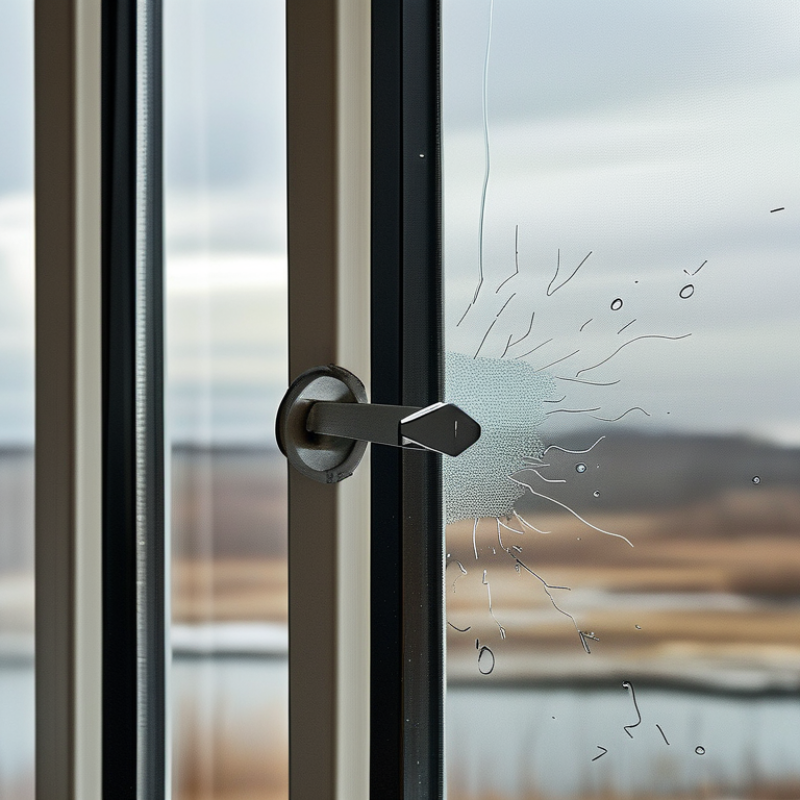
Storm windows are secondary barriers installed over existing windows or built into a new opening. Their protective role is often misunderstood. They do not make every window hurricane-proof. Instead, they can reduce wind pressure, flying-debris damage, rain entry, and indoor temperature swings when correctly designed and installed.
FEMA’s Coastal Construction Manual identifies glazed openings as vulnerable parts of coastal buildings. That risk grows when frames, fasteners, or surrounding walls are weak. Look for products tested under recognized impact and pressure standards, such as ASTM E1886 and ASTM E1996, where local codes require them. NOAA recorded 28 U.S. billion-dollar weather and climate disasters in 2023. The figure shows why extreme-weather preparation deserves attention beyond coastal properties.
Storm windows also affect daily comfort. The U.S. Department of Energy reports that windows can account for 25–30% of residential heating and cooling energy use. Low-emissivity coatings, tight seals, and suitable glazing may reduce unwanted heat transfer. Yet performance depends on installation quality. A perfect frame cannot compensate for gaps around the opening. Small details matter.
Check the window’s design pressure, impact rating, drainage path, and emergency-exit function. Confirm local requirements before ordering. A heavier product is not automatically safer. I have learned that buyers often focus on glass thickness and overlook anchoring. That is a costly assumption. Regional wind exposure, building age, and maintenance conditions should shape the final choice.

Compare the minimum sustained wind speed associated with each Saffir–Simpson hurricane category before checking a storm window’s certified design-pressure and impact ratings.
These thresholds are based on the Saffir–Simpson Hurricane Wind Scale. Hurricane category alone does not determine window suitability; global buyers should also verify local building codes, tested wind-load performance, impact resistance, frame materials, installation requirements, and product certification.
Source: National Hurricane Center, Saffir–Simpson Hurricane Wind Scale. Wind speeds shown in miles per hour (mph).
Storm windows perform best when they match the local climate, existing window, and building structure. A coastal home may need corrosion-resistant hardware because salty air attacks exposed metal. Cold regions require tight seals and suitable glazing to reduce drafts. In hot, storm-prone areas, strong frames and careful drainage matter more than appearance.
The window type also changes the buying decision. Measure the existing frame, opening direction, and available clearance before ordering. Interior panels can suit apartments, while exterior units may offer stronger weather protection. Sliding, casement, and sash windows each need different attachment methods. In field assessments, small measurement errors often cause expensive fitting problems.
That is worth remembering.
Tips for global buyers: Check wind and impact requirements with a qualified local professional. Confirm the storm window will not block emergency escape openings. Review the wall material, frame condition, and load capacity. Ask for installation instructions in your working language. Verify performance data for air leakage, water resistance, and pressure ratings. Buildings in historic districts may have appearance restrictions or special approval procedures. Local rules differ. Do not rely only on online dimensions. I once saw a seemingly suitable panel fail because the sill was uneven and poorly drained. A second inspection would have caught it. Allow space for maintenance, seasonal movement, and safe cleaning. A modest design, correctly fitted, is usually more reliable than an impressive but unsuitable one.
For global buyers, storm window performance starts with the glass, not the sales label. Clear glass offers good daylight but limited heat control. Low-emissivity glass can reduce winter heat loss and summer solar gain. In hot regions, consider a solar-control coating. Tinted glass may reduce glare, but it can darken interiors. Laminated glass also improves noise reduction and holds together after impact. Check the glass thickness and tested performance, not only the advertised energy rating.
Frames deserve equal attention. Aluminum frames are strong and slim, yet they can transfer heat quickly without a thermal break. Vinyl frames resist moisture and usually require little maintenance. Wood frames provide warmth and visual appeal, but they need careful sealing in humid climates. Composite materials can balance durability and insulation. Measure the opening twice. A small error can create pressure points and air leakage.
Seals are easy to overlook. They should compress evenly around the sash, with no brittle corners or visible gaps. Flexible weatherstripping often performs better than a hard, poorly fitted strip. Ask for U-value, solar heat gain data, air-leakage results, and temperature-range testing. These figures help compare products across regions, although testing conditions may differ. Energy savings also depend on installation quality and existing windows. A highly rated window can disappoint when the frame is twisted or the seal is uneven. That detail is often missed.
| No. | Buying Dimension | Option or Target | Indicative Technical Data | Advantages | Global Buyer Check |
|---|---|---|---|---|---|
| 1 | Select the glass configuration | Single, double, or triple glazing | Typical center-of-glass U-values: Single clear: about 5.5–6.0 W/m²K Double clear: about 2.7–3.0 W/m²K Double low-E: about 1.4–2.0 W/m²K Triple low-E: about 0.6–1.2 W/m²K | More panes and low-emissivity coatings generally reduce conductive heat transfer. | Request whole-window performance, not only center-of-glass data. Confirm that the added storm panel is compatible with the existing window. |
| 2 | Compare low-E coating positions | Uncoated glass, soft-coat low-E, or hard-coat low-E | Low-E coatings reduce infrared heat transfer; performance depends on coating emissivity, pane spacing, and climate. | Can improve winter heat retention and, when specified with suitable solar properties, reduce summer heat gain. | Ask for visible transmittance, solar heat gain coefficient, and coating location. Check whether the coating is protected inside the sealed unit. |
| 3 | Match solar control to climate | Low, medium, or high SHGC | SHGC is rated from 0 to 1. Lower values admit less solar heat; higher values admit more solar heat. | Low SHGC can help in hot, sunny climates; moderate or higher SHGC may provide useful passive solar gains in cold climates. | Use local orientation and climate data. South-, east-, and west-facing windows may need different solar-control specifications. |
| 4 | Choose the frame material | Thermally improved metal, uPVC, wood, or fiberglass-reinforced frame | Metal conducts heat rapidly unless it includes a thermal break. Nonmetal frames generally have lower thermal conductivity. | Frame design affects condensation risk, structural strength, maintenance, and the final whole-window U-value. | Confirm frame thermal-break details, drainage paths, expansion allowances, corrosion resistance, and compatibility with the existing frame. |
| 5 | Evaluate the spacer system | Metal spacer or warm-edge spacer | Warm-edge spacers reduce heat flow at the glass perimeter compared with highly conductive metal spacers. | Can improve edge temperatures and reduce the likelihood of interior-edge condensation. | Request edge-of-glass condensation data where available, especially for cold climates and high-indoor-humidity buildings. |
| 6 | Inspect seals and gaskets | EPDM, silicone, TPE, or brush seals | Elastomeric gaskets generally provide stronger weather and air sealing than brush seals; service life depends on exposure and compression. | Good seals reduce drafts, water penetration, dust entry, and sound leakage. | Check resistance to ultraviolet exposure, temperature extremes, ozone, salt air, and cleaning chemicals in the destination market. |
| 7 | Prioritize air leakage performance | Low air-leakage storm window with continuous compression or interlocking seals | Lower air-leakage values indicate fewer uncontrolled air exchanges through the window assembly. | Often improves comfort and energy performance more reliably than glass upgrades installed over a poorly sealed opening. | Ask for tested air-leakage results and the test pressure used. Ensure the existing window is repaired before installing the storm unit. |
| 8 | Check water and wind resistance | Tested drainage, pressure resistance, and secure fasteners | Performance depends on product design, installation, exposure category, and the pressure used during testing. | Reduces the risk of wind-driven rain, rattling, frame distortion, and premature seal failure. | For coastal, typhoon, hurricane, or high-rise locations, request pressure and impact ratings appropriate to local building requirements. |
| 9 | Verify safety and acoustic needs | Laminated, tempered, or standard annealed glass | Tempered glass breaks into smaller particles; laminated glass holds fragments together after breakage and can improve sound reduction. | Suitable glass can improve occupant safety, security, fall protection, and traffic-noise control. | Follow local safety-glazing rules for doors, low-level glazing, and hazardous locations. Request a certified acoustic rating when noise control matters. |
| 10 | Compare complete energy data and lifecycle cost | Whole-window U-factor, SHGC, visible transmittance, and payback | Lower U-factor means better insulation. SHGC describes solar heat gain. Visible transmittance describes daylight transmission. | A balanced specification can reduce heating or cooling demand while preserving daylight and comfort. | Compare purchase price, installation, maintenance, replacement parts, local energy prices, expected service life, and applicable building codes. |
Buying storm windows across borders requires more than comparing frame prices. Start by identifying the destination’s wind, water, impact, thermal, and safety requirements. Standards differ, even when products look identical. Ask which standard was used, where testing occurred, and whether the report covers the exact model. A certificate for one glass thickness may not cover another. Request dated laboratory reports, performance tables, installation limits, and maintenance instructions. Keep every document together. Small gaps matter.
Check certification bodies independently through their public registries. Verify certificate numbers, expiry dates, factory locations, and approved product ranges. Do not accept a logo alone. For coastal projects, examine corrosion testing and fastener materials. For high-wind zones, review pressure cycles and anchoring details. Ask for production samples, corner joints, seals, and packaging photos. A sample can reveal uneven gaskets or weak drainage channels before shipment. It is practical evidence.
Supplier reliability needs evidence, not promises. Review export history, quality-control procedures, inspection records, response times, and spare-parts plans. Use a written specification with tolerances, packing requirements, and change-approval rules. Independent pre-shipment inspection adds useful distance. Still, it is not magic. A recurring problem in project reviews is unclear installation guidance despite complete paperwork. Ask technical questions and record the answers. Confirm who handles damaged units and warranty claims. Build a small pilot order before committing to large volumes. The cheapest compliant-looking option may create the highest total cost.
Planning measurements, installation, maintenance, and total costs requires more than comparing glass prices. Start with your local climate, seasonal wind exposure, humidity, and temperature changes. A window suited to a dry inland home may fail sooner near salty coastal air. Check local building requirements before ordering. Some regions also require emergency exit access, safety glazing, or specific wind-load performance.
Measure each opening separately, even when several windows look identical. Record width, height, depth, squareness, and any damaged sill areas. Measure twice. I once trusted a single measurement and underestimated an uneven frame, creating an avoidable fitting problem. Ask an experienced installer to confirm unusual openings, drainage paths, and ventilation needs. A tight seal improves comfort, but blocked ventilation can trap moisture and encourage mold. Select durable frames, replaceable seals, and glazing suited to your climate. Consider how easily parts can be cleaned from inside.
Installation costs may include delivery, access equipment, old-window removal, repairs, taxes, and regional labor rates. Request a written estimate with these items separated. Include future maintenance, such as seal replacement, washing, fastener checks, and corrosion control. In remote areas, replacement parts may take weeks to arrive. That matters. Compare the total ownership cost over several years, not only the purchase price. Energy savings can be real, but they depend on correct fitting and local heating patterns. My own estimates have been too optimistic when installation time was ignored. Leave room for that uncertainty.
Same Day Shipping
ISO Certified Production