Why Invest in Flotation Equipment for Optimal Mining Efficiency?
Investing in Flotation Equipment is crucial for enhancing mining efficiency. According to Dr. Emily Carter, a leading expert in mineral processing, “Optimal recovery rates depend heavily on the efficiency of flotation equipment.” This equipment plays a vital role in separating valuable minerals from waste, thus increasing profitability and sustainability in mining operations.
In recent years, the mining industry has faced numerous challenges. Factors such as fluctuating commodity prices and environmental regulations are pressing miners to seek better methods. Flotation equipment has emerged as a key player in addressing these issues. It not only improves recovery rates but also reduces water usage and energy consumption. However, investing in advanced flotation technology can be costly and requires careful consideration.
As miners evaluate their equipment choices, the importance of reliability and performance cannot be overstated. Outdated equipment may lead to inefficiencies and lost revenue. Embracing modern flotation technology is not just a trend; it is a necessity for staying competitive. By investing wisely in flotation equipment, mining companies can thrive in a challenging market—yet this path requires reflection and strategic planning.
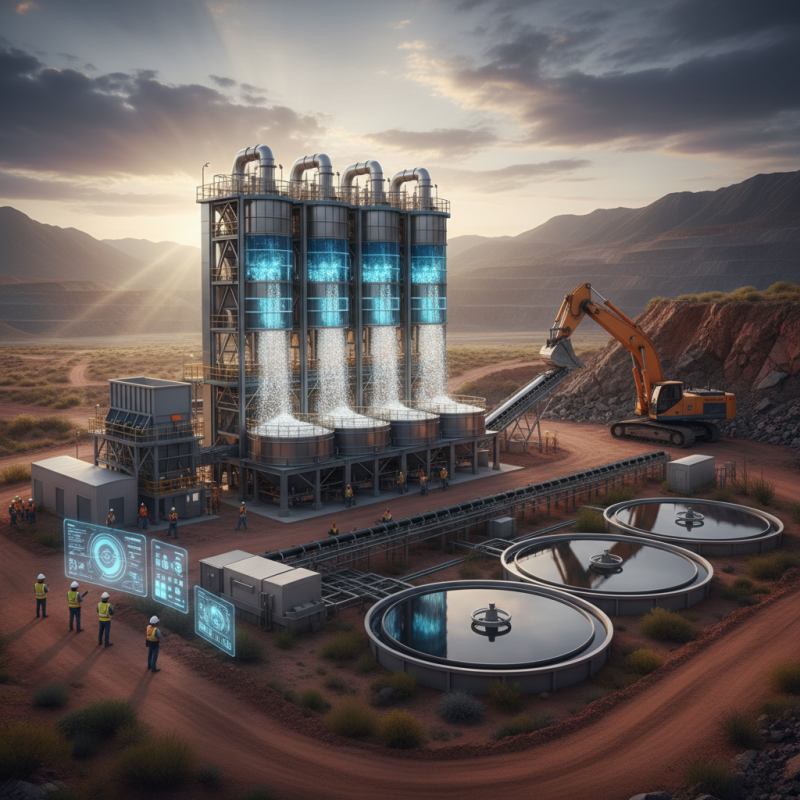
Understanding Flotation Equipment and Its Role in Mining Operations
Flotation equipment plays a crucial role in mining operations. It helps separate valuable minerals from waste materials. According to a recent report by the Metallurgical Society, around 90% of copper and nickel is extracted using flotation methods. This speaks volumes about its effectiveness.
Flotation works by creating bubbles that attach to specific minerals. These bubbles rise, carrying the minerals to the surface. However, the efficiency of this process can vary. Some studies indicate that up to 25% of minerals can be lost during flotation due to poor equipment or operational techniques. Regular maintenance and operator training can mitigate these losses.
Investing in modern flotation technology is essential. Research shows that advanced flotation cells can increase recovery rates by 15% to 20%. However, this requires substantial upfront costs. Mining companies must balance investment with potential gains. Every decision should factor in operational reliability and expected mineral yield. This creates a complex picture for decision-makers in the mining sector.
Key Benefits of Flotation Equipment for Enhancing Mining Efficiency
Flotation equipment plays a vital role in enhancing mining efficiency. It separates valuable minerals from waste material effectively. This process recovers more resources, ensuring higher productivity. Increased recovery rates mean higher profits for mining operations. The technology is designed to optimize separation, making it crucial for success.
When selecting flotation equipment, consider the specific mineral types. Not all machines perform equally for every mineral. Understanding the characteristics of your material can guide your choice. Analyze past performance data to refine your equipment selection. Regular evaluation can lead to significant efficiency improvements over time.
Tips: Monitor equipment maintenance closely. Neglect can lead to unexpected failures. Train staff on proper operation to maximize efficiency. Investing in training can yield immediate results. Regularly reviewing operational data will help identify areas for improvement. Embrace feedback and adapt to changing conditions.
How Flotation Process Improves Mineral Recovery Rates
The flotation process is essential for enhancing mineral recovery rates in mining. This method separates valuable minerals from waste materials through the introduction of air bubbles. The bubbles rise, attaching to mineral particles and allowing them to float to the surface. Effective flotation can significantly increase the yield from ore deposits. However, achieving optimal separation requires precise control of various factors.
Minimizing impurities is crucial. If the froth is not clean, recovery rates can drop. This means that understanding the chemistry of the slurry is vital. Adjusting pH levels and selecting the right reagents can enhance the flotation process. It's a delicate balance, and what works in one scenario might not work in another. For example, changes in ore composition can impact flotation efficiency.
Investing in high-quality flotation equipment can lead to greater efficiency. However, the initial cost may be a concern for many operations. It's important to consider long-term benefits, such as reduced operational costs and higher extraction rates. Engaging with experts in the field can improve the decision-making process. Flotation is not just a technical process; it’s an evolving science, and ongoing research is needed to refine methods and equipment.
Flotation Equipment Data for Optimal Mining Efficiency
| Equipment Type | Mineral Type | Recovery Rate (%) | Processing Capacity (tonnes/hour) | Operating Cost ($/tonne) |
| Dissolved Air Flotation | Copper | 85 | 100 | 25 |
| Column Flotation | Gold | 90 | 200 | 30 |
| Mechanical Flotation | Zinc | 78 | 150 | 20 |
| Reflux Flotation | Lead | 88 | 120 | 22 |
Factors to Consider When Investing in Flotation Technology
When investing in flotation technology, several key factors demand attention. Understanding the ore characteristics is crucial. Different minerals behave uniquely during flotation, affecting recovery rates. According to a recent industry report, optimally designed flotation cells can boost recovery rates by 5-10%. This improvement directly impacts profitability.
Another vital aspect is maintenance and operational costs. Advanced flotation systems may require higher initial investments. However, they often yield lower operational costs over time. Research indicates that inefficient flotation equipment can lead to 30% higher reagent consumption. Equipment selection should weigh both upfront and long-term costs.
Lastly, consider the adaptability of flotation technology. The mining landscape is always evolving. As ore grades decline, newer flotation methods may better handle complex ores. Staying informed on technological advances can provide competitive advantages. Flotation equipment must not only suit current needs but also anticipate future challenges in mining efficiency.
Future Trends in Flotation Equipment for Sustainable Mining Practices
The future of flotation equipment in mining highlights significant trends towards sustainability. Current reports indicate that flotation processes can recover up to 90% of minerals. This efficiency not only enhances resource recovery but also minimizes environmental impact. For example, advanced flotation systems employ eco-friendly reagents, reducing harmful emissions. Data shows that integrating such technologies can lower operational costs by approximately 15%.
Experts emphasize the importance of adapting flotation equipment to meet continuously evolving environmental regulations. A growing number of mining operations are focusing on closed-loop water systems. This approach conserves water and decreases discharge pollutants. Furthermore, recent studies reveal that automated flotation systems can improve efficiency while reducing manpower requirements. The labor cost savings can be substantial, reaching up to 20% in some settings.
Despite these advancements, challenges persist. Many operations still struggle with the high initial investment required for modern flotation equipment. Adopting new technologies can lead to operational disruptions. It's crucial for mining companies to weigh these factors carefully. Sustainability should be a core consideration, even amid financial uncertainties. Balancing efficiency with environmental responsibility presents a compelling yet complex challenge for the industry moving forward.
Trends in Investment in Flotation Equipment for Mining Efficiency
This bar chart illustrates the projected investment in flotation equipment across different mining regions over the next five years. The data reflects increasing trends in investment as the industry shifts towards sustainable practices and advanced technologies.