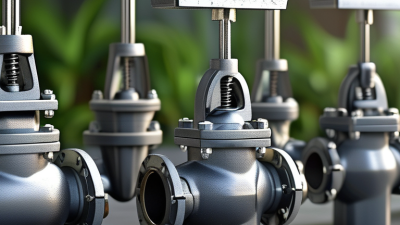
How to Choose the Right Strainer Valve for Your Application?
Choosing the right strainer valve can protect pumps, control valves, meters, and other equipment from damaging debris. However, the best choice depends on more than pipe size. Fluid type, operating pressure, temperature, flow rate, filtration level, and maintenance access all influence performance.
A practical selection begins with the contaminants in the system. Sand, welding slag, rust, and process particles behave differently inside a pipeline. A coarse basket may suit cooling water, while a finer screen may support sensitive instrumentation. Mesh size matters. So does pressure loss. A strainer valve that removes particles effectively may still restrict flow when the screen becomes dirty.
Material compatibility also deserves careful attention. Stainless steel, brass, cast iron, and engineered plastics each suit different environments. Corrosive fluids can quickly expose a poor material choice. In field applications, I have found that access space is often underestimated. A valve may fit the drawing but remain difficult to clean beside a wall or pump base.
A clear specification should include connection type, pressure rating, temperature range, screen area, and replacement requirements. Manufacturer data and recognized engineering practices provide useful checks, but they cannot replace site conditions. A perfect table does not exist. Even experienced engineers can overlook startup debris or seasonal flow changes. The right strainer valve is therefore a balanced decision, combining technical data, operating experience, and realistic maintenance planning. That balance supports safer, steadier, and more economical system performance.
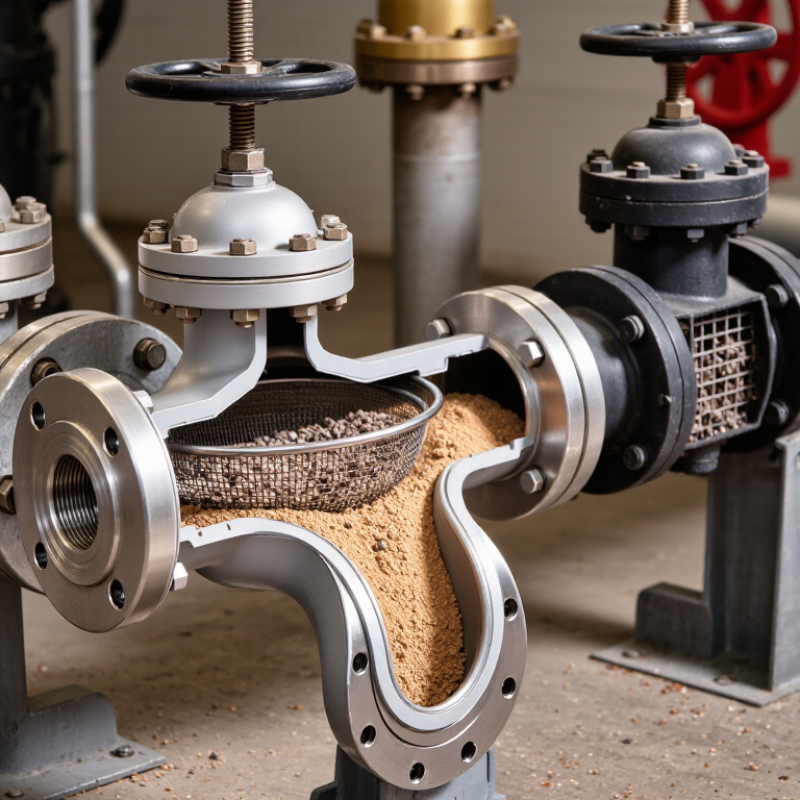
Define Flow, Pressure, Temperature, and Filtration Needs Using ASME B16.34 Classes 150–2500
How to Choose the Right Strainer Valve for Your Application?
Define Flow, Pressure, Temperature, and Filtration Needs Using ASME B16.34 Classes 150–2500
Begin with the fluid and operating conditions. Record normal flow, maximum flow, viscosity, suspended solids, and required filtration size. A liquid carrying rust flakes needs a different screen from clean process water. Measure, do not guess. Calculate pressure drop across the strainer at the highest expected flow. Then check the valve’s minimum operating pressure and available pump head.
Use ASME B16.34 pressure-temperature ratings when selecting a valve class from 150 to 2500. The class number is not a universal pressure limit. Its allowable pressure depends on body material, temperature, and the applicable rating table. For example, rising temperature can reduce allowable pressure significantly. Confirm the rating at the actual design temperature, not at room temperature. A Class 150 valve may suit a moderate service, while high-pressure steam or severe process duty may require Class 600, 900, 1500, or 2500.
Inspect the filtration element, connection type, drain arrangement, and maintenance clearance. Smaller openings improve particle capture but can increase pressure loss and cleaning frequency. Larger screens reduce restriction but may allow damaging debris downstream. Early calculations are rarely perfect because solids loading changes during operation. Leave practical margin, but avoid excessive oversizing. An oversized strainer can lower velocity and complicate flushing. Verify dimensions, materials, test requirements, and pressure-temperature limits against the current project specification and ASME documentation before purchase.
Choose Strainer Types and Materials Under ASTM, API, and NACE Requirements
How to Choose the Right Strainer Valve for Your Application?
Choose Strainer Types and Materials Under ASTM, API, and NACE Requirements
Selecting a strainer valve starts with the process, not the catalog. Record fluid type, temperature, pressure, flow rate, and contaminant size. A Y-strainer suits compact pipelines with moderate debris. A basket strainer offers greater holding capacity and easier cleaning. Duplex designs support continuous service when one chamber requires maintenance.
Material selection must follow the applicable ASTM specification for bodies, covers, screens, and pressure-retaining parts. Carbon steel may fit general hydrocarbon service, while stainless steel can improve resistance against corrosion. Check galvanic compatibility between the screen and body. Small differences matter. Gaskets and drain connections also need suitable pressure and temperature ratings.
API requirements should guide pressure testing, inspection, and equipment integrity. Confirm the required design class and test procedure for the complete assembly, not only the strainer body. For sour service, evaluate NACE MR0175/ISO 15156 requirements, including hardness limits, material condition, and resistance to sulfide stress cracking. Surface treatment alone cannot correct an unsuitable base material.
Field conditions often expose weak assumptions. A clean laboratory fluid may carry welding slag, sand, or scale during startup. Differential pressure indicators, accessible covers, and correctly sized drains can prevent avoidable shutdowns. Yet specifications are sometimes copied from older projects without reviewing changed chemistry or operating cycles. That deserves a second look. A technically compliant strainer can still fail when maintenance space, flow direction, or actual solids loading was overlooked.
Size the Valve for Design Flow While Controlling Pressure Drop and Cavitation
Choosing the right strainer valve begins with the fluid, not the pipe size. Record design flow, minimum flow, temperature, density, viscosity, and solids loading. Then calculate the required Cv at the actual operating point. A valve sized only from line diameter may throttle excessively or remain unstable. Use the flow curve, but verify its assumptions against site conditions.
At design flow, estimate pressure drop across the valve and strainer basket separately. Include upstream and downstream pipe losses. The available pressure margin must exceed normal losses by a practical amount. For liquid service, compare local pressure with vapor pressure to screen for cavitation risk. Cavitation can sound like gravel and damage trim, even when average pressure looks acceptable. Check NPSH, flashing potential, and transient conditions during startup or rapid closure.
Field experience often exposes the weak assumption. A clean screen may meet the calculation, while a partially fouled screen creates a sharp pressure drop. Allow for fouling, maintenance access, and a measurable differential-pressure limit. I prefer selecting a controllable operating range rather than choosing the largest available valve. Oversizing reduces authority and can make small flow adjustments frustrating. Still, estimates are imperfect. Confirm the final choice with tested data, calibrated gauges, and a review of worst-case flow.
Verify Testing and Maintenance with API 598, ISO 5208, and Differential Pressure Data
Choosing a strainer valve starts with evidence, not catalog pressure ratings. Record fluid type, temperature, line size, expected flow, and allowable pressure loss. Then define how the valve will be tested after assembly and during service. API 598 provides a practical framework for shell and closure testing. It helps confirm pressure integrity and acceptable seat leakage under specified conditions. ISO 5208 also classifies leakage rates and test procedures for industrial valves. The standards are related, but they are not interchangeable in every specification. That distinction matters.
Ask the supplier to state the edition, test medium, pressure, duration, and acceptance criteria. A test certificate without these details is weak evidence. During commissioning, compare actual readings with the approved test record. Inspectors should check flange joints, drain points, and temporary test plugs. Small oversights can distort results. In field work, I have seen a clean report hide an incorrectly positioned gasket. That experience changed how I review paperwork. I now match documents with photographs and measured conditions.
Differential pressure data is equally important for strainer selection. Measure pressure upstream and downstream when the system is clean. Repeat the measurement as solids accumulate. A rising differential pressure signals restriction, but the alarm limit needs application-specific judgment. Set maintenance intervals from trend data rather than habit. Cleaning too early wastes labor; cleaning too late can starve downstream equipment. I would not pretend one universal limit exists. Flow changes, particle shape, and measurement error can mislead even experienced teams. Use calibrated gauges, record operating conditions, and investigate unusual readings before changing the valve.
How to Choose the Right Strainer Valve for Your Application?
Verification, maintenance, and differential-pressure monitoring aligned with API 598 and ISO 5208
Differential pressure is a practical indicator of strainer loading. The values shown are representative operating checkpoints in kPa: clean-system conditions, an inspection alert, and a maintenance trigger. API 598 and ISO 5208 define valve inspection and pressure-testing procedures, including shell and closure performance; they do not establish one universal differential-pressure limit for every strainer application. Confirm the final alarm and maintenance limits against the valve design, fluid, temperature, flow rate, and manufacturer’s datasheet.