China Best Water Check Valve Supplier for Global Buyers?
Choosing the right China water check valve supplier requires more than comparing unit prices. Global buyers need dependable flow control, documented testing, and practical communication throughout the purchasing process. A valve may look polished in a catalog, yet fail when pressure changes, particles, or repeated cycling enter the real system.
Robert L. Mott, a respected fluid-systems author, states, “A check valve permits flow in one direction and prevents flow in the other.” This basic function still demands careful engineering. The correct water check valve must match the pipeline size, pressure rating, temperature range, connection type, and installation position. Materials also matter. Stainless steel, ductile iron, brass, and engineered plastics perform differently in drinking water, irrigation, cooling, and wastewater applications.
A reliable Chinese manufacturer should provide drawings, material certificates, pressure-test records, and clear product tolerances. Buyers should also ask about spring fatigue, sealing performance, reverse-flow prevention, and noise during operation. Factory audits can reveal details that product pages cannot, such as machining consistency, assembly cleanliness, and final inspection habits.
Look beyond the lowest quotation.
In practice, no supplier is perfect. Even an experienced factory may have gaps in documentation or communication. That is why sample testing, third-party inspection, and small pilot orders remain sensible safeguards. This guide examines how global buyers can evaluate China water check valve suppliers with greater confidence, technical discipline, and realistic expectations. Cost matters, but failure costs more.
What Is a Water Check Valve and Why Is It Important?
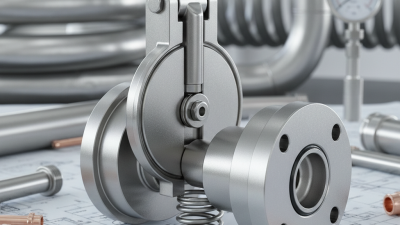
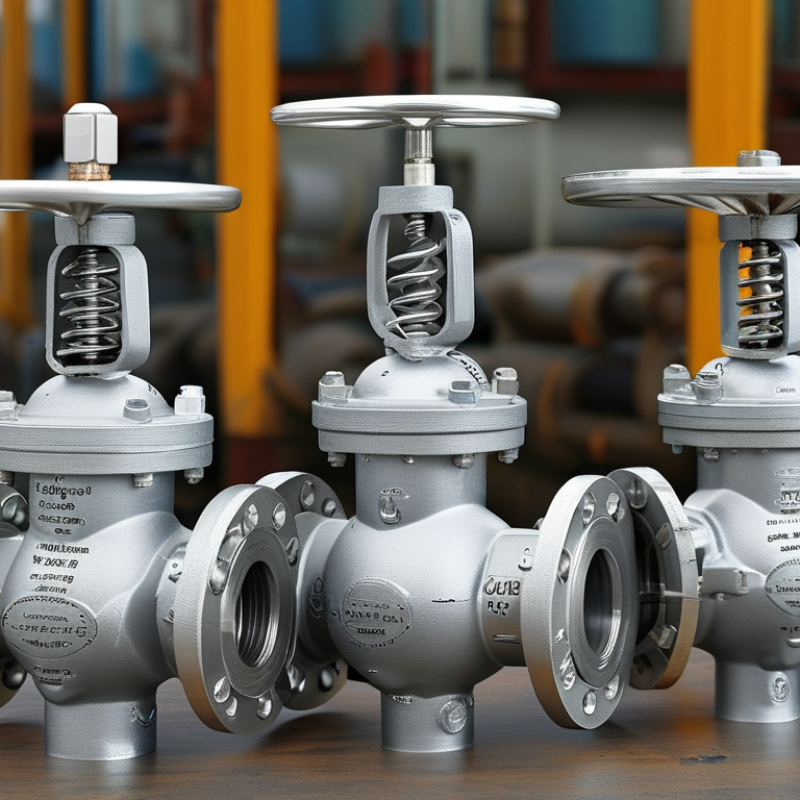
A water check valve is a one-way device installed in a water line. It allows flow forward and blocks unwanted reverse flow. Inside, a disc, ball, or spring closes the passage when pressure changes. This small component can protect pumps, filters, storage tanks, and meters from backflow. It also helps prevent contaminated water from moving into a cleaner section. The valve is simple. Its job is not.
In practical installations, the wrong valve can create noise, pressure loss, or repeated leakage. A weak spring may close too slowly. Excessive cracking pressure may restrict normal flow. Material selection also matters. Stainless steel, brass, and reinforced plastics perform differently in temperature, corrosion, and water conditions. A reliable supplier should provide flow data, pressure ratings, dimensional drawings, and inspection records. Independent testing is valuable. However, documents alone are not enough. Real performance can change after installation, especially when pipes contain debris or air. I have seen small particles keep a new valve slightly open. That detail is easy to miss.
Tips: Match the valve size with the actual pipe and flow rate. Check the arrow before installation. Install a strainer where debris is likely. Ask for pressure testing and leakage results. Leave service space around the valve. China-based manufacturers may offer flexible production and export experience, but buyers should verify quality controls, communication, and after-sales support. A low price can look attractive. It may become expensive after repeated maintenance.
How to Choose the Right Check Valve for Water Applications
Choosing the right check valve for water applications requires more than comparing prices. Flow direction, pressure, temperature, pipe diameter, and installation space all affect performance. The 2024 WHO/UNICEF Joint Monitoring Programme report states that 2.2 billion people lacked safely managed drinking water in 2022. Reliable components therefore matter, even in small distribution systems. Small failures matter.
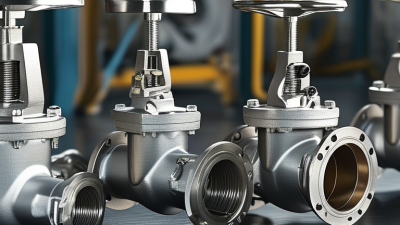
Start with the operating data. A valve sized only by pipe diameter may create excessive pressure loss. Swing check valves suit larger pipelines with moderate flow changes. Wafer or lift designs often work better in compact pump rooms.
For wastewater, inspect suspended solids carefully. They can prevent full closure. Material selection also deserves attention. Ductile iron, stainless steel, and corrosion-resistant coatings suit different water qualities. Sealing materials must match temperature and chemical exposure.
Ask a China-based supplier for flow curves, pressure ratings, material certificates, and test records. ISO 5208 provides a recognized framework for industrial valve pressure testing. Request evidence of leakage testing under realistic pressure, not only a catalog statement. EPA WaterSense reports that household leaks can waste nearly 1 trillion gallons of water annually in the United States. Proper backflow prevention can reduce avoidable losses. A practical supplier should explain maintenance access and replacement intervals. I have seen specifications overlook installation orientation, causing premature wear. Do not accept vague answers. Check the valve against actual operating conditions, because a cheaper model can become expensive after repeated shutdowns.
What Makes a China-Based Check Valve Supplier Reliable?
A reliable China-based check valve supplier proves performance beyond a polished catalog. The WHO/UNICEF Joint Monitoring Programme reported in 2023 that 2.2 billion people lacked safely managed drinking water. That pressure makes dependable flow control essential. Buyers should request material certificates, pressure-test records, dimensional reports, and traceable batch numbers. The documents must match the delivered valve. They should also reflect recognized standards, such as API, ASME, ISO, or EN requirements, where applicable.
Tips:
Ask for a sample valve. Inspect the disc, spring, seat, and casting marks. Request a live factory audit or an independent inspection. ISO 9001 certification helps, but it is not proof of product reliability. A supplier should explain test pressure, leakage limits, coating thickness, and temperature restrictions in clear language. Vague answers deserve attention.
Field checks often reveal the real difference. A dependable manufacturer maintains calibrated test equipment, controlled drawings, and stable subcontractor records. It should provide realistic lead times, spare-part support, and clear responses after delivery. Third-party inspection can verify more than a sales presentation. Still, no supplier is perfect. I have seen impressive reports fail to explain installation limits or water chemistry. That gap matters. Buyers should compare repeated production evidence, not one excellent sample. Reliability grows from transparent records, consistent testing, and the supplier’s willingness to discuss weaknesses.
How to Evaluate Quality, Certifications, and Manufacturing Capacity
Choosing the best water check valve supplier requires more than comparing prices or polished catalog photos. Quality begins with traceable materials, accurate machining, and consistent assembly. Ask for material certificates, dimensional inspection records, and pressure-test results for each valve series. A reliable supplier should explain test pressure, holding time, leakage limits, and inspection equipment clearly.
Certifications need careful review. Check the issuing organization, certificate scope, expiration date, and product model covered. A factory may hold a quality-management certificate, but that does not automatically certify every valve. Request samples of inspection reports and confirm whether testing is performed internally or by an independent laboratory. Small details matter, such as stainless-steel grade, gasket material, spring strength, and the valve’s installation direction.
Manufacturing capacity also deserves direct verification. Visit the facility when possible, or request a live video inspection of machining, assembly, testing, and storage areas. Ask about monthly output, production lead times, backup equipment, and quality controls during peak orders. A supplier that produces thousands of units may still struggle with a small custom batch. That is easy to miss. I have found that realistic answers are more valuable than perfect promises. No factory is flawless, and honest suppliers should identify process risks, corrective actions, and limits. Before approval, test pre-production samples under conditions close to actual service, including pressure changes, water temperature, and repeated opening cycles.
How Global Buyers Can Manage Pricing, Shipping, and After-Sales Support
For global buyers, a water check valve’s real price is not the unit quotation. It includes testing, packaging, freight, insurance, duties, and installation delays. Compare landed costs under the same Incoterm. Ask for material certificates, pressure-test records, and a clear tolerance range. ISO 5208 can guide valve pressure-testing discussions, but the required standard depends on the application. Do not accept the lowest quotation automatically. It may hide weak documentation or expensive replacement parts.
Shipping deserves equal attention. UNCTAD’s Review of Maritime Transport reports that ships carry over 80% of global trade volume. A port delay can therefore affect project schedules quickly. Request carton dimensions, gross weight, loading photos, and the planned shipping route. The World Bank’s 2023 Logistics Performance Index assesses 139 economies across customs, infrastructure, tracking, and delivery reliability. Use those factors when comparing freight options, not freight price alone. A cheaper route can become expensive after storage charges.
After-sales support should be measurable. Require a named technical contact, response times, spare-part availability, and a replacement procedure. Keep serial numbers linked to inspection records. For urgent water projects, remote troubleshooting and short video instructions can prevent an unnecessary site visit. The Global Aftermarket Practice Study by Bain notes that strong after-sales systems can materially improve customer retention, although performance varies by sector. That finding is useful, but not universal. I would still test the supplier with a small order first. Reliability is demonstrated over time, not promised in a quotation.